Discover trusted home window tinting near me options, benefits, and how to choose a reputable installer.
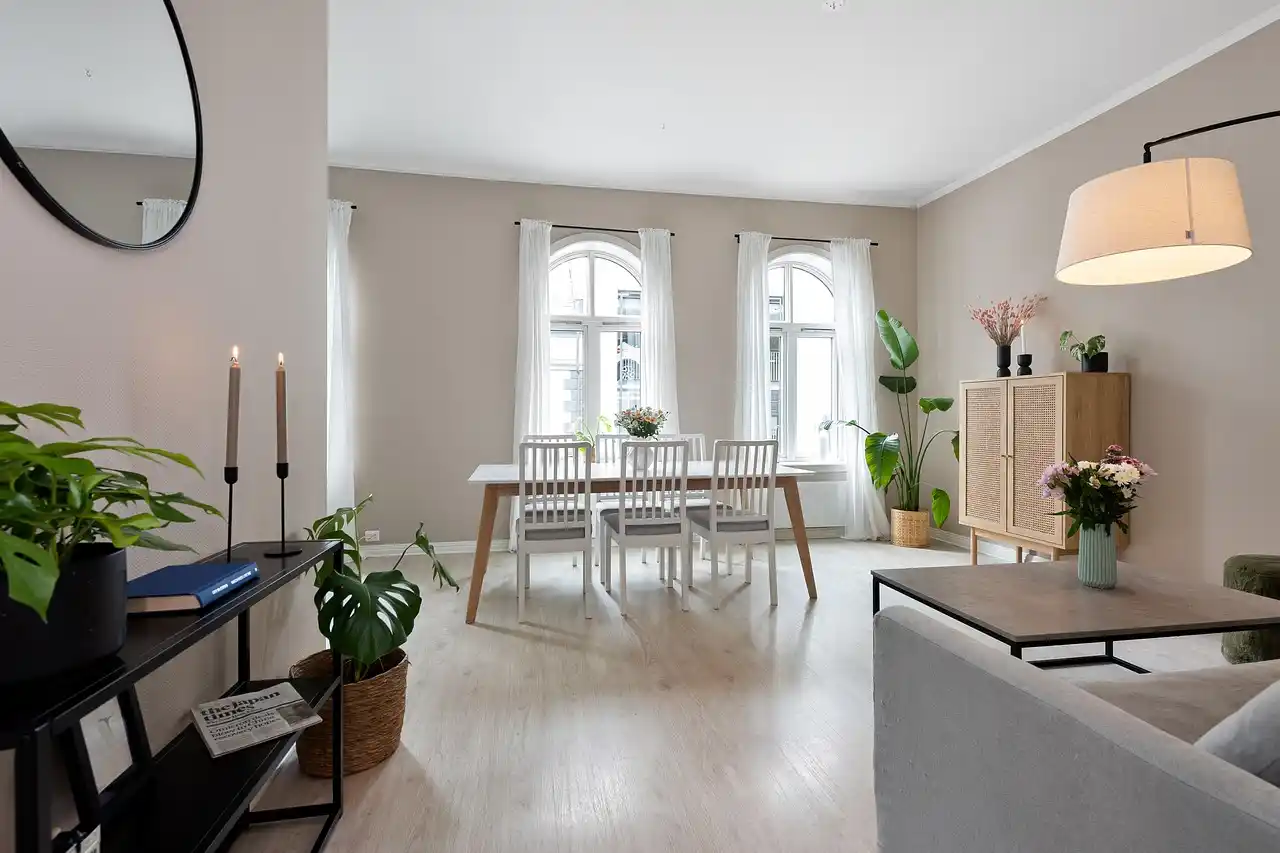
Choosing the right home window tinting near me options starts with understanding how film improves comfort, cuts energy costs, and protects interiors from UV damage. This guide helps you evaluate film types, find reputable local installers, and make an informed decision that aligns with EEAT principles—expertise, authority, and trust.
Understanding home window tinting and its value
Window film is a thin coating applied to the interior surface of glass. It comes in several technologies—dyed, metalized, ceramic, and carbon—each offering different levels of heat rejection, glare reduction, UV protection, and clarity. While some films emphasize budget upgrades, others maximize energy savings and long-term durability. A reputable installer can tailor the choice to your climate, home orientation, and budget.
Benefits of residential window tinting
Energy savings: By reflecting solar heat, tinted windows reduce cooling demand, especially in rooms that receive strong sun. Comfort: Tint reduces glare and eliminates hot spots, creating a more even indoor temperature. UV protection: Most residential films block up to 99% of harmful UV rays, protecting furnishings, flooring, and artwork from fading.
Privacy and aesthetics: Tinting enhances privacy during daytime hours while maintaining interior visibility from inside to outside, depending on the film’s shade. Durability and maintenance: Modern films resist scratching and are easy to clean with non-abrasive cleaners, making them a practical long-term upgrade.
Finding a local installer near me
When you search for "home window tinting near me," prioritize candidates who are licensed, insured, and experienced with residential installations. Look for a portfolio of completed homes, verifiable warranties, and clear written quotes. Ask about transferable warranties, film certifications, and whether the installer will handle permit requirements if applicable in your area.
Window film types: pros, cons, and when to use them
Understanding film types helps you balance cost, performance, and aesthetics. The table below compares common options.
| Type | Pros | Cons | UV Rejection | Best For | Estimated Cost |
|---|---|---|---|---|---|
| Dyed | Low cost, natural tint | Can fade or discolor over time | Moderate | Budget upgrades or simple aesthetics | Low to mid |
| Metalized | Excellent heat control, strong glare reduction | Can interfere with electronics like GPS/Wi‑Fi | High | Mid-range performance | Mid |
| Ceramic | Top-tier heat rejection, crystal-clear views | Higher upfront cost | Very High | Best overall performance and longevity | High |
| Carbon | Rich tone with strong UV protection, non-metallic | Moderate price; not as dark as some dyed options | High | Privacy with good visibility; aesthetic appeal | Mid to High |
What to ask before you hire a local window tinting pro
Obtain a written estimate that itemizes material type, number of windows, labor, and total price. Ask about warranty length (film and installation), expected lifespan, and whether the warranty is transferable if you sell your home. Confirm compatibility with your existing windows, especially for low‑e glass, dual‑pane seals, and any heat‑producing devices inside the glass unit.
Maintenance, warranty, and longevity
Follow manufacturer care instructions to preserve appearance and performance. Regular cleaning with a non-abrasive, ammonia-free cleaner is usually recommended. Reputable installers provide warranties ranging from 5 to 20 years, depending on the film type and climate. A solid warranty enhances trust and demonstrates the installer’s confidence in durability and workmanship.
Cost considerations and return on investment
Costs vary by window size, film type, number of panes, and labor. Typical residential tint projects fall into a broad range and often offer a favorable payback through energy savings, reduced cooling loads, and longer-lasting interior furnishings. Ask for a cost‑per‑square‑foot breakdown and a total project estimate that includes removal or replacement of existing films if needed.
Comparison and quick takeaway
To recap, when evaluating options for home window tinting near me, consider film type based on climate, performance, and budget, verify a reputable installer with a solid warranty, and review a clear, written contract. Ceramic films generally offer the best performance but cost more, while dyed and metalized options provide good value for basic needs. Carbon combines privacy with durability, and all options should be backed by an installer who adheres to safety and building guidelines.
Conclusion, this guide consolidates the essential steps to find a trusted home window tinting near me provider, understand film types, compare costs, and ensure a warranty-supported installation. By following these guidelines and prioritizing EEAT‑driven criteria—expertise, authority, and trust—you can secure a durable, energy‑efficient solution that enhances comfort, protects assets, and adds lasting value to your home.
